
Counterfeit shoesWeChat Scams: The Perils of Selling Fake Putian Shoes by Micro-Entrepreneurs
Counterfeit shoesWeChat Scams: The Perils of Selling Fake Putian Shoes by Micro-Entrepreneurs,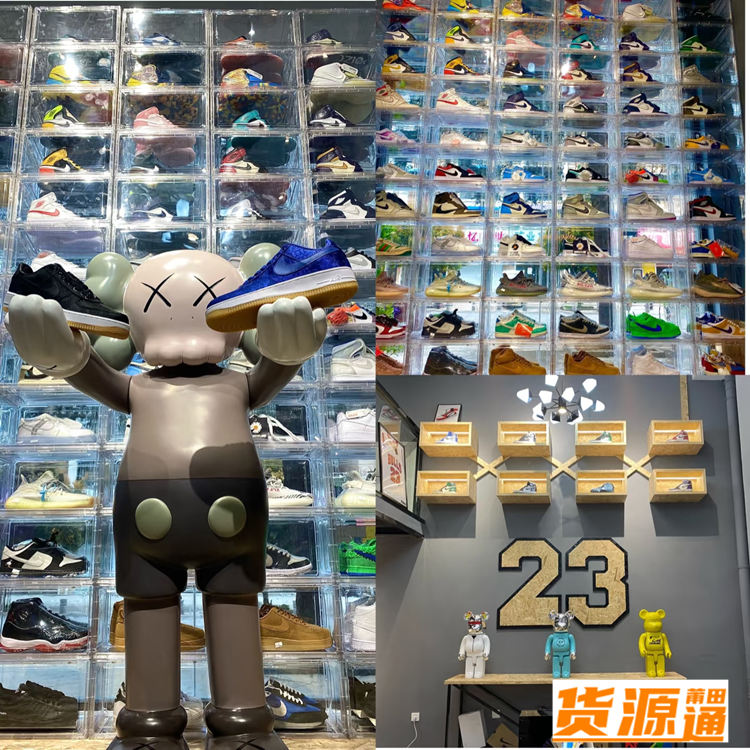

The Trap of Selling Fake Goods: Micro-commerce and the Scams behind the Sale of Fake "Putian" Shoes
In today's digital era, micro-commerce has become a ubiquitous phenomenon, with people from all backgrounds and professions taking advantage of social media platforms to sell their products and services. However, this booming industry has also attracted fraudulent actors looking to cash in on the trend, peddling low-quality or counterfeit goods with false claims. One such example is the sale of fake "Putian" shoes through微商 (micro-commerce). These shoes are often advertised as genuine or high-quality replicas, but in reality, they are cheap knockoffs that may not meet safety standards or offer the promised quality.
The lure of easy profits蒙蔽了许多微商从业者的双眼 (Many micro-commerce entrepreneurs are blinded by the lure of easy profits), leading them to engage in fraudulent activities. By selling fake Putian shoes, these merchants deceive consumers into buying products that are not worth the price being charged. They often utilize slick marketing tactics and advertisements on social media to attract customers, making false promises about the quality and authenticity of their goods.
The consequences of these scams are far-reaching. Consumers who purchase these fake shoes end up disappointed with their purchase, having lost their money on a product that does not meet their expectations. Moreover, their trust in micro-commerce is eroded, leading to a decline in overall confidence in the industry. This not only affects the reputation of legitimate micro-commerce businesses but also disrupts the functioning of the market economy.
To combat these scams, it is crucial for consumers to be vigilant and aware of the risks involved when purchasing goods through micro-commerce channels. They should be cautious of overly attractive offers and claim assessments without proper evidence. Moreover, they should research the credibility of the seller and take steps to verify the authenticity of the product before making a purchase.
Moreover, authorities and law enforcement agencies should take proactive measures to combat these fraudulent activities. They should increase their monitoring of micro-commerce platforms and enforce regulations to protect consumers' interests and rights. By creating awareness about these scams and strengthening regulatory measures, authorities can help restore trust in micro-commerce and promote fair trade practices.
In conclusion, while micro-commerce offers immense opportunities for businesses to grow and expand, it also poses challenges related to fraudulent activities. The sale of fake "Putian" shoes through micro-commerce is just one example of the various scams that tarnish the reputation of legitimate businesses and undermine consumer trust. By staying vigilant and working together, consumers, authorities, and businesses can combat these fraudulent activities and promote a more trustworthy micro-commerce environment.