
Knockoff shoesWhat Constitutes Illegal Activity in Making Putian Shoes?
Knockoff shoesWhat Constitutes Illegal Activity in Making Putian Shoes?,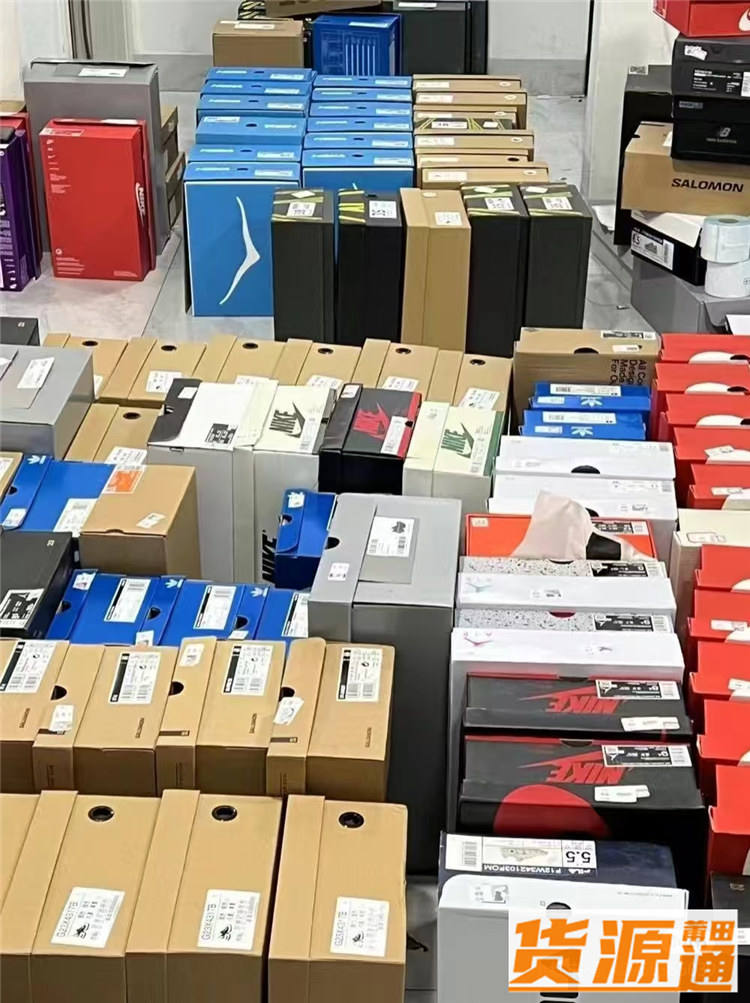

The Legal Boundaries of Making Shoes in Putian: What Constitutes as Illegal?
Putian, a city in China's Fujian province, is renowned for its shoe manufacturing industry. The region has a long history of crafting footwear, but with the growth of the industry, the legal boundaries have become increasingly complex. Understanding what degree of involvement in shoe manufacturing constitutes as illegal is crucial for both business owners and individuals.
First and foremost, the production of shoes in Putian must adhere to intellectual property laws. Reproducing or copying designs of famous brands without permission is a violation of these laws. This includes using unauthorized logos, trademarks, or designs that are protected by copyright. Such actions can lead to legal consequences such as fines or even imprisonment.
Qualitative Aspects of Shoe Manufacturing that may Be Considered Illegal:
In addition to intellectual property violations, there are other aspects of shoe manufacturing in Putian that can be considered illegal. One such aspect is the use of substandard materials or false advertising. Using inferior quality materials in the production process and claiming them to be of higher quality is not only unethical but also illegal. This practice can mislead consumers and damage their interests.
Furthermore, the production of shoes must also comply with labor laws and regulations. Employers must ensure the safety of workers and adhere to labor standards. Any violation of these laws, such as excessive overtime, poor working conditions, or child labor, can be considered illegal.
Moreover, environmental regulations must not be ignored during the production process. Disregarding environmental protection measures, such as improper waste disposal or excessive pollution, can result in legal action. The government has strict regulations to protect the environment, and any business or individual found violating these regulations will face legal consequences.
It is important to note that the degree of legality in shoe manufacturing depends on multiple factors. While small-scale manufacturers may face different challenges and regulations than large-scale factories, both must adhere to the same legal framework. It is crucial for businesses and individuals to consult legal experts and stay updated with the latest regulations to ensure their operations are compliant.
In conclusion, the legal boundaries of making shoes in Putian are not limited to intellectual property violations. Other aspects such as use of substandard materials, false advertising, labor law violations, and environmental regulations must also be considered. Understanding and complying with these regulations are crucial for maintaining a legitimate business in the region's thriving shoe manufacturing industry.