
Knockoff shoesWhy are Fake Shoes Still Being Sold in Putian?
Knockoff shoesWhy are Fake Shoes Still Being Sold in Putian?,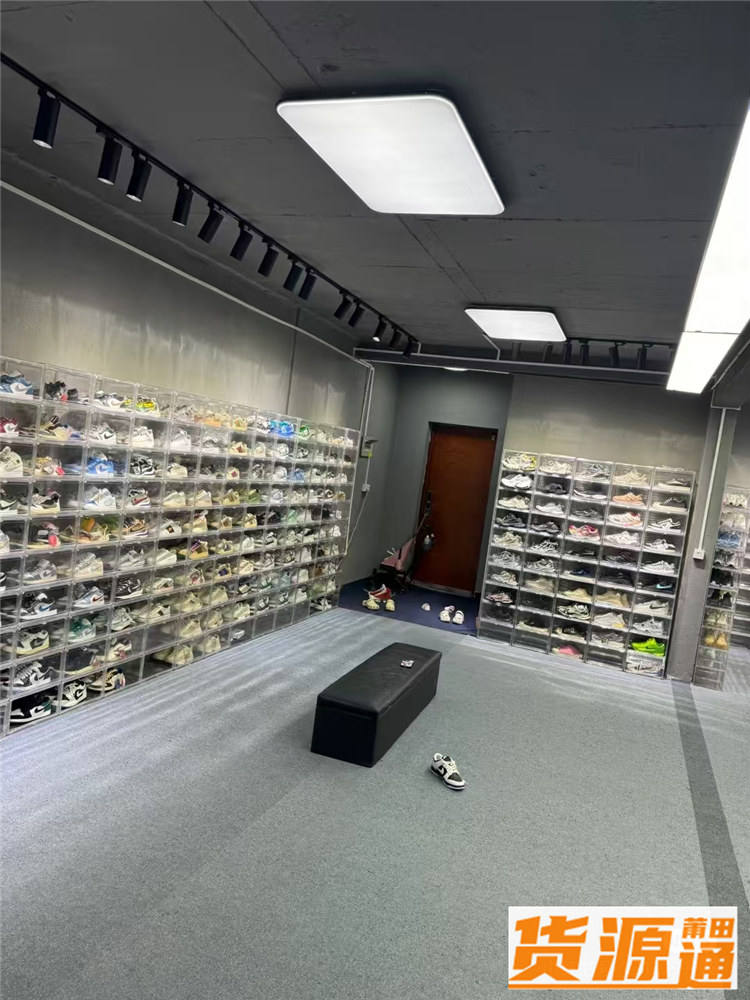

Why Fake Shoes are Still Sold in Putian
Putian, a city in China's Fujian province, has long been associated with the production and sale of fake goods, including shoes. Despite the widespread crackdown on such activities and the improved awareness of consumers about the importance of authenticity, the phenomenon of selling fake shoes in Putian persists. There are several factors that contribute to this persistence.
Local Cultural and Economic Influences
Firstly, the local culture and economy of Putian play a significant role. For many years, manufacturing has been a core part of the local economy, with a strong emphasis on small-scale manufacturing and production. Fake goods often serve as a low-cost alternative for people with limited budgets or as a way to fulfill demand for popular brands without spending high prices. The culture of entrepreneurship and the pursuit of profits often lead some local businesses to engage in the production of fake products.
Moreover, the existence of a significant informal economy in Putian makes it difficult to completely eradicate the sale of fake shoes. The informal economy is often flexible and operates outside the reach of formal regulations and law enforcement. This allows for the continued production and sale of fake goods, as those involved can easily adapt and operate in a low-risk environment.
Social and Consumer Factors
Furthermore, the existence of demand for fake shoes from certain consumer groups helps to sustain this market. Some consumers are attracted to the lower prices or are not aware of the difference between genuine and fake products. Others may even consider buying fakes as a way to support local businesses or as a form of protest against high prices of genuine goods. This demand creates a market for fake shoes, ensuring their continued production and sale in Putian.
Additionally, the practice of selling fake shoes in Putian is also influenced by social norms and peer pressure. In some communities, being able to afford popular brands is seen as a status symbol, leading some individuals to seek out fake goods as a way to meet this social expectation without breaking their budget.
Legal and Regulatory Challenges
Lastly, the legal and regulatory challenges also contribute to the persistence of fake shoes in Putian. Enforcing laws against the sale of fake goods is often challenging, due to limited resources and enforcement challenges within the informal economy. The complex supply chain and network of manufacturers make it difficult to trace the origin of fake products and effectively prosecute those involved. This creates an environment where the sale of fake shoes can continue despite legal efforts to combat it.
In conclusion, the sale of fake shoes in Putian persists due to a combination of local cultural and economic factors, consumer demand, social norms, and legal and regulatory challenges. Addressing this issue requires a comprehensive approach that includes consumer education, improved law enforcement, and promoting genuine manufacturing in the region.