
Replica shoesReturns Denied by Putian Shoe WeChat Business: The Issue of Non-Refundable Return Policy.
Replica shoesReturns Denied by Putian Shoe WeChat Business: The Issue of Non-Refundable Return Policy.,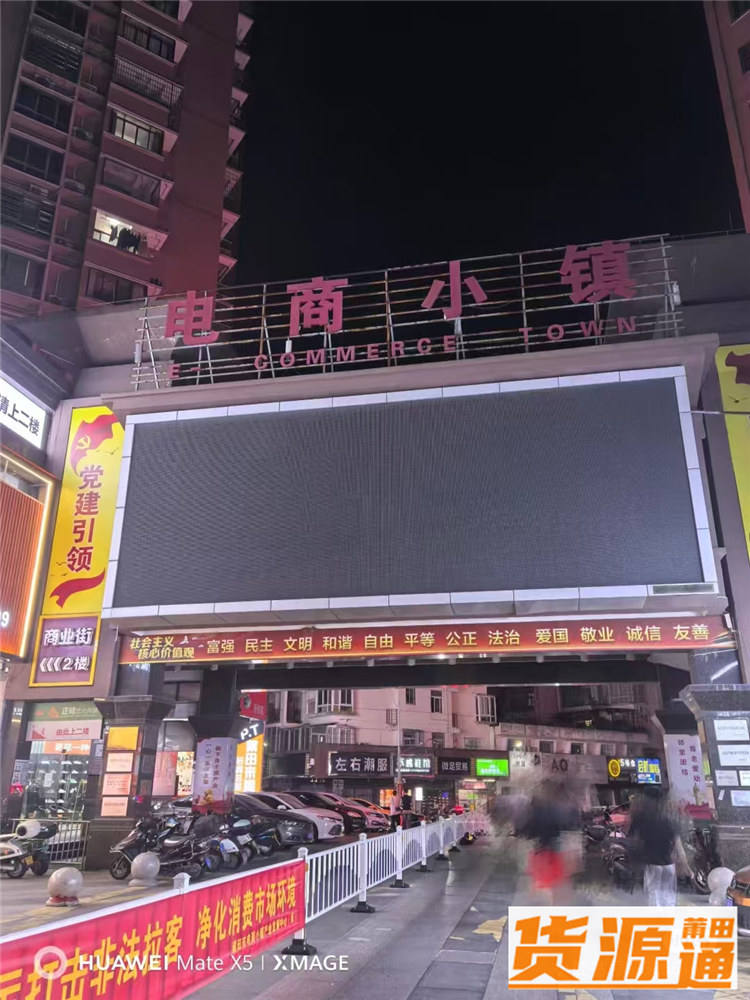

The Issue of Refund Denial in WeChat Shoe Business in Putian
Putian, a city in Fujian province renowned for its shoe manufacturing industry, has become a hub for micro-commerce activities on WeChat. This platform provides an opportunity for both local and international customers to purchase goods directly from manufacturers and small businesses. However, the emergence of certain controversies surrounding the return policies has raised concerns among consumers.
One such issue that has gained significant attention is the denial of refunds by certain shoe merchants in WeChat. Customers who encounter issues like product defects or dissatisfaction often face difficulties when requesting a refund. The reasons for such denial vary, ranging from technical issues in processing to the merchant's explicit policy not to accept returns. This practice not only undermines consumer confidence but also poses challenges to the reputation of Putian's shoe industry as a whole.
Impact on Consumers and the Industry
For consumers, the inability to obtain a refund can result in financial losses and a negative shopping experience. In some cases, even after extensive communication with the merchant, customers are left with no option but to accept the loss. This not only affects the individual consumers but also has broader implications for the Putian shoe industry.
The reputation of the region's footwear is closely linked to its quality and customer service. When incidents of refund denial become prevalent, it reflects poorly on the industry as a whole. Potential customers may be hesitant to purchase products, considering the risks associated with after-sales service. Moreover, this practice may encourage fraud and unethical behavior among some merchants, leading to further erosion of trust.
Solutions and Way Forward
To address this issue, it is essential for both merchants and authorities to take proactive measures. Merchants should establish clear return policies that are communicated to customers upfront. They should also ensure that they provide adequate support and resolve issues promptly.
Moreover, authorities in Putian should strengthen regulations on micro-commerce activities to ensure fair trade practices. Consumer protection laws should be updated to cover online transactions and provide remedies for consumers who face refund issues. Additionally, awareness campaigns can be launched to educate consumers about their rights and how to protect themselves during online transactions.
Conclusion
The issue of refund denial in WeChat shoe business in Putian is not only a concern for individual consumers but also for the broader industry. It poses a threat to the reputation and sustainability of the region's shoe industry. It is imperative that merchants adopt responsible practices and authorities enforce regulations to ensure a fair and trustworthy business environment.