
Fake designer sneakersIs Copycat Footwear in Putian Legal?
Fake designer sneakersIs Copycat Footwear in Putian Legal?,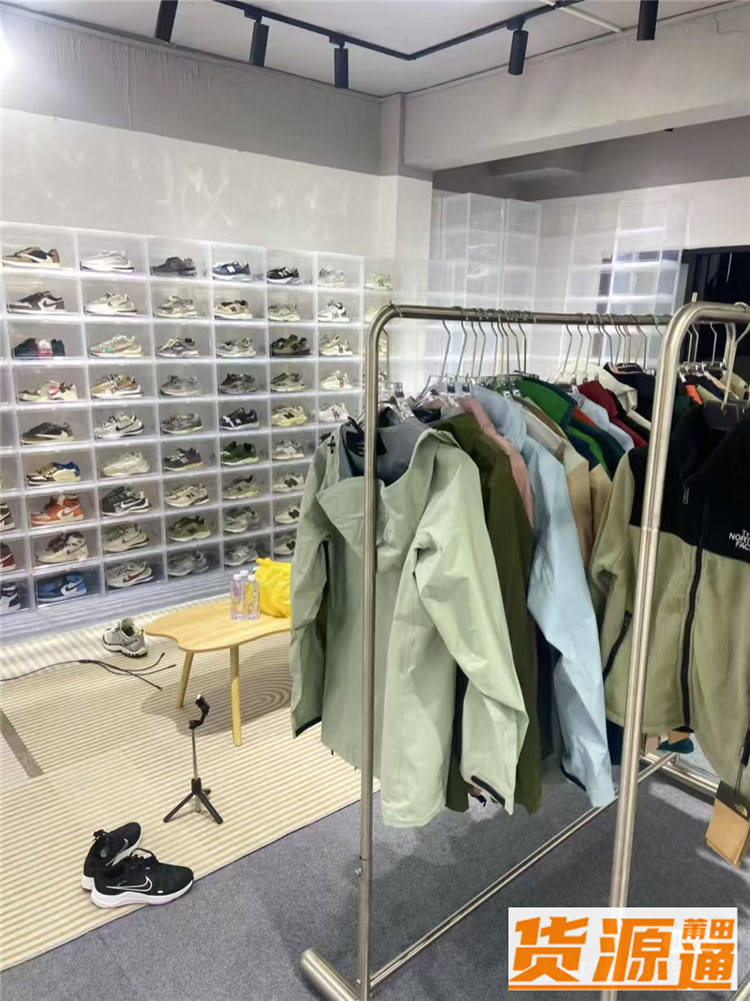

Is It Legal to Produce Fake Shoes in Putian?
Putian, a city in Fujian province, China, has gained attention for its widespread production of imitation footwear. The question often arises whether this practice is legal or not. The answer to this question is complex and requires an examination of both legal and practical aspects.
Firstly, it is important to recognize that producing fake shoes, regardless of location, is generally considered illegal. This is because such behavior involves the infringement of intellectual property rights, specifically trademark and copyright laws. These laws protect the unique designs and branding of genuine products, ensuring that manufacturers and designers are rewarded for their creativity and efforts. Therefore, if Putian's footwear production involves the unauthorized copying of designs or the use of someone else's trademark, it would be considered illegal.
However, the reality on the ground in Putian is more nuanced. There exists a spectrum of footwear production, ranging from high-quality imitations that are almost identical to genuine products to those that are clearly marked as replicas or lower-quality copies. Some of these imitations may fall within the realm of "fair use" or "parallel imports," which are not necessarily illegal. The legal status of such products depends on various factors, including the degree of similarity to the original product, the intention behind production, and the local laws and regulations in place.
Moreover, the culture of imitation footwear production in Putian can be traced back to historical circumstances and economic realities. In many cases, local artisans have learned the craft of shoe-making from traditional skills passed down through generations. As demand for low-cost alternatives grew, some producers began experimenting with imitating higher-end brands. This trend has been influenced by local labor costs, consumer preferences, and market conditions.
It is also worth noting that the fight against fake goods is an ongoing global effort. Brands and intellectual property rights holders actively pursue legal action against manufacturers and distributors of fake products, including in Putian. At the same time, local governments and authorities are also taking measures to combat the production of counterfeit goods, promoting legitimate manufacturing and encouraging innovation.
In conclusion, while the production of fake shoes in Putian is a complex issue that requires a holistic approach, it is generally advisable for businesses and individuals to stay within the bounds of legalit
y. This means avoiding the unauthorized copying of designs and ensuring that any imitation products are clearly marked as such. At the same time, support should be given to encourage legitimate manufacturing and innovation, while also respecting intellectual property rights.