
Knockoff sneakersIs Fake Packaging a Sign of Putian Shoes?
Knockoff sneakersIs Fake Packaging a Sign of Putian Shoes?,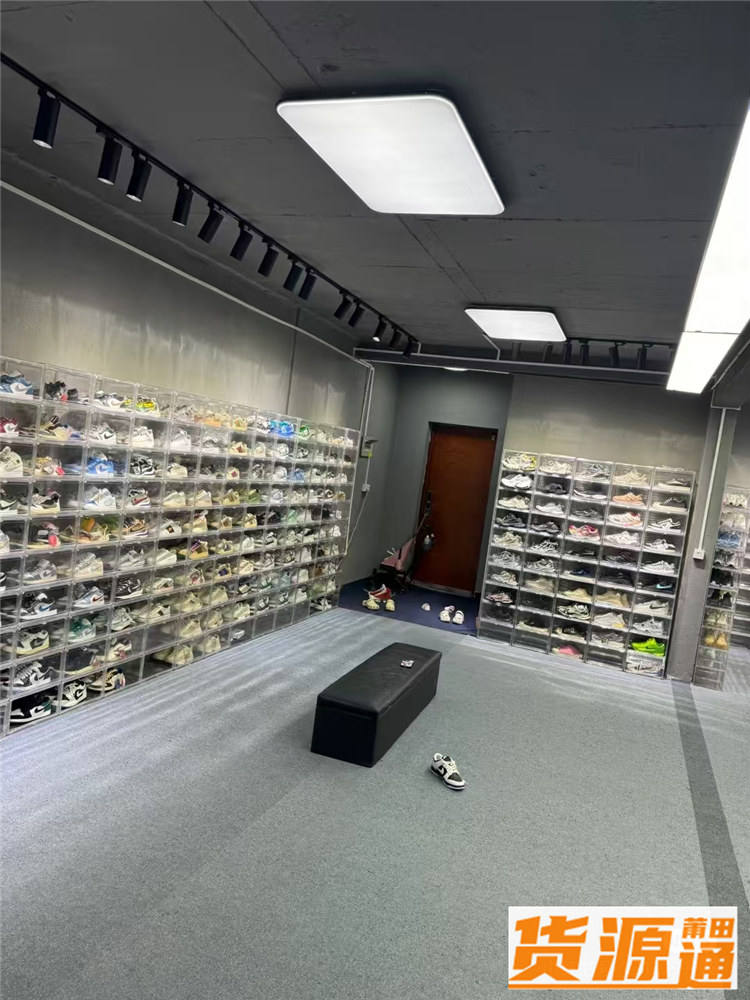

Are Fake Packaging Labels a Symptom of the Problem with Putian Shoes?
In the realm of counterfeit goods, the issue of toxic packaging labels has become increasingly prevalent, especially in the context of Putian shoes. Putian, a region in China renowned for its shoe manufacturing industry, often produces low-cost alternatives to high-end brands. However, the rise of toxic packaging labels on these shoes has sparked a new debate about the quality and integrity of the products being offered.
Toxic packaging labels are often used to mask the true quality of low-cost or inferior products. These labels are designed to imitate the genuine packaging of high-end brands, often with slight variations in branding or language that are not easily noticeable to the untrained eye. By doing so, they aim to deceive consumers into purchasing substandard products that may not meet safety standards or have inferior materials. This practice not only poses a threat to consumers' health but also undermines the reputation of legitimate brands and fair competition in the market.
The Impact of Fake Packaging Labels on Putian Shoes
Putian shoes, known for their low prices and mass production, have been targeted by toxic packaging labels due to their widespread appeal among consumers. These labels have become a symbol of the broader issues within the industry, such as poor quality control and lack of transparency. By purchasing these falsified products, consumers may be at risk of purchasing shoes that contain harmful materials or do not live up to the promised quality. This not only affects the consumer experience but also damages the reputation of the region's footwear industry as a whole.
Moreover, the use of toxic packaging labels reflects a broader problem of ethical and moral considerations within the manufacturing process. It is not just about the quality of materials; it's about the deceitful practices employed to deceive consumers into purchasing inferior products. This behavior not only undermines fair competition but also erodes trust in the broader manufacturing sector, calling for a more holistic approach to tackling the issue beyond mere product quality.
Conclusion:
In conclusion, toxic packaging labels on Putian shoes are not just a simple issue of product quality but rather a complex problem that reflects broader issues within the manufacturing industry and consumer protection. It highlights the need for stronger regulatory measures to combat fraudulent labeling practices and ensure transparency in product manufacturing processes. Moreover, it calls for an increase in consumer awareness and education about identifying fake packaging labels to make informed purchasing decisions.