
Fake designer shoes淘宝莆田鞋热销后全单退款风波
Fake designer shoes淘宝莆田鞋热销后全单退款风波,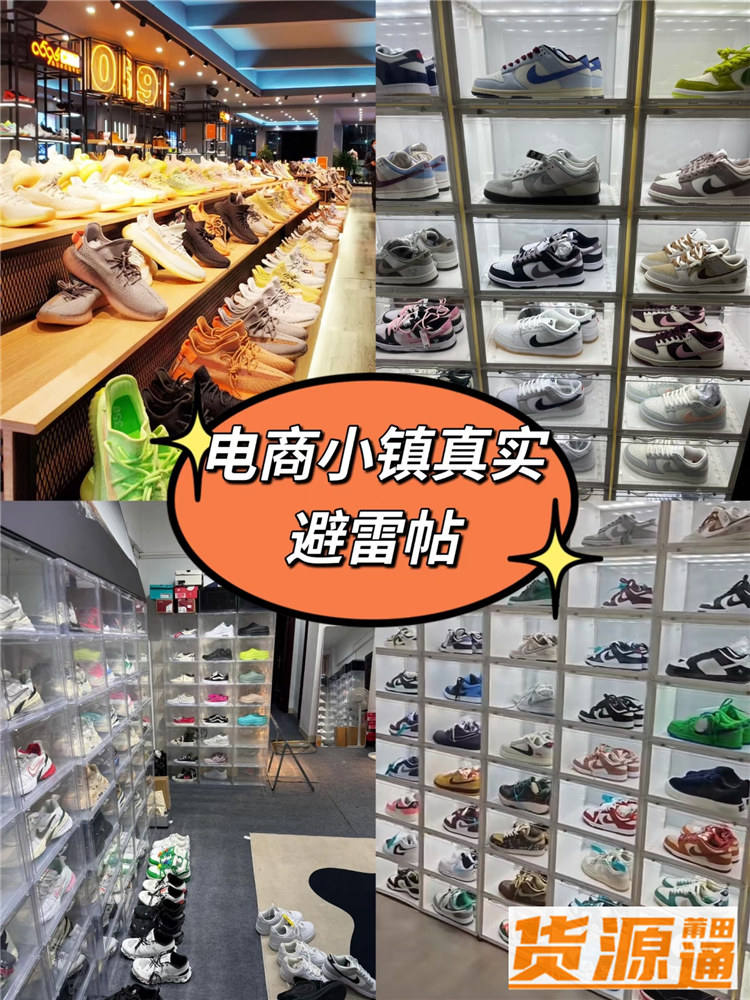

The Story of Selling and Refunding of Fake Shoes on Taobao
In the world of online retail, Taobao stands as a towering marketplace with its vast range of products and sellers. However, amidst the legitimate businesses, there are often instances of fraudulent activities that raise concerns among buyers and sellers alike. One such prevalent issue revolves around the sale of counterfeit footwear, particularly in the realm of "Putian shoes," a reference to fakes originating from the Putian region in China.
Recently, many reports have surfaced about customers purchasing what they believed to be genuine shoes on Taobao only to discover they were actually fakes upon arrival. These incidents have sparked a wave of dissatisfaction and subsequent refund requests from affected buyers. The sellers, in an effort to maintain their reputation on the platform, have been compelled to issue full refunds.
The Dilemma of Selling Fake Shoes on Taobao
The practice of selling fake shoes on Taobao, often originating from Putian, has been prevalent due to the lucrative profits involved. While genuine brands fetch high prices, their knockoff counterparts can be sold at significantly lower costs without attracting the same level of scrutiny or legal repercussions.
However, this practice has caused significant issues for both buyers and sellers. Buyers often feel deceived when they receive counterfeit goods that are of inferior quality or don't meet the promised standards. In many cases, this results in complaints and refund requests that are costly for sellers.
For sellers, the practice can initially seem profitable, but in the long run, it can tarnish their reputation and lead to financial losses. Refunding customers not only eats into their profits but also reflects poorly on their business ethics and reliability.
Taobao has taken measures to combat the sale of counterfeit goods by strengthening its verification processes and clamping down on fraudulent activities. However, the problem still persists due to the complexities involved in identifying genuine versus fake products.
In conclusion, while the sale of fake shoes on Taobao may offer short-term profits to some sellers, it is ultimately a losing proposition. The constant refund requests from dissatisfied customers and the damage to reputation outweigh any temporary gains. Sellers should consider long-term sustainability and business ethics while operating on Taobao, as it is only a matter of time before such fraudulent activities are fully addressed by the platform.