
Reproduction sneakersTitle: "Real Label Shoes from Putian, Jiangxi Province"
Reproduction sneakersTitle: "Real Label Shoes from Putian, Jiangxi Province",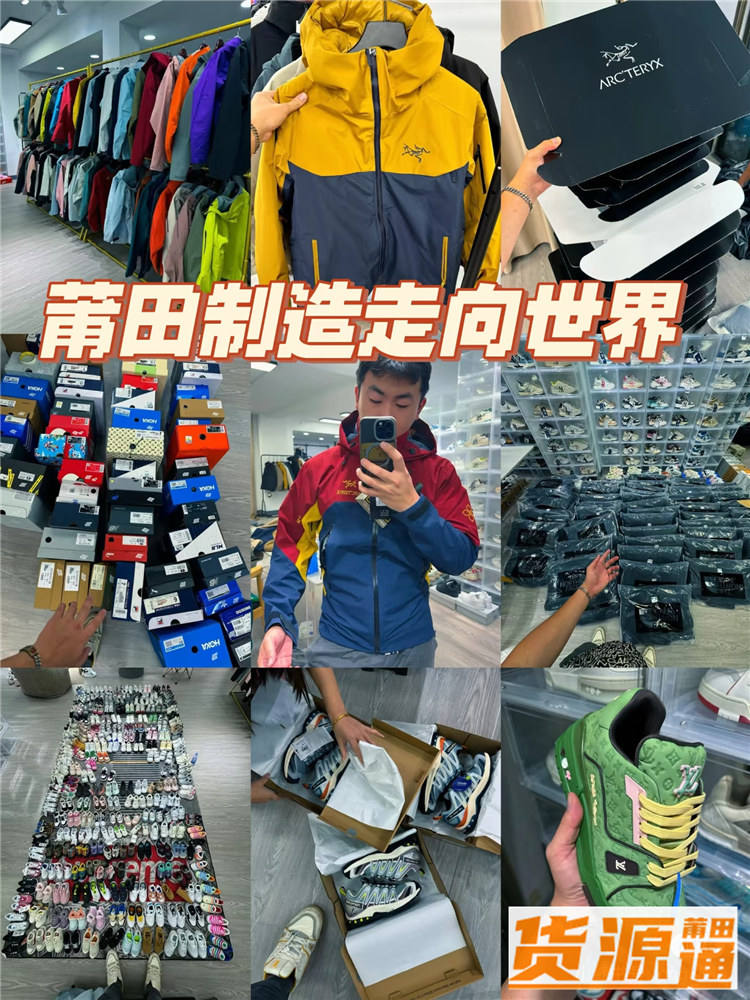

**Title: Exploring the Authenticity of Putian Shoes in Jiangxi Province**
Introduction
Jiangxi Province, in the heart of China, is renowned for its diverse cultural heritage and thriving manufacturing industries. Among the various products manufactured in this region, Putian shoes have gained significant popularity. The term "Putian shoes" often refers to a type of footwear produced in the Fujian province, but the concept of authenticity when it comes to these shoes becomes complex when considering regional variations and market dynamics.
The Rise of Putian Shoes in Jiangxi
Putian shoes, originating from Fujian's Putian city, have a reputation for quality and craftsmanship. With the growth of e-commerce and the rise of the middle class in China, these shoes have become popular across the country, including in Jiangxi. As demand for these shoes grew, local manufacturers and distributors started offering their own versions, often labeled as "Jiangxi Putian Real Label Shoes".
The term "real label" refers to shoes that adhere to certain quality standards and use genuine materials. In the case of Jiangxi's Putian shoes, this means that they are produced with genuine components and designs that mimic the original Putian products. However, with the growth of the market, the challenge of authenticity has become increasingly important.
The issue of authenticity becomes crucial as consumers become more aware of product origins and quality. Shoppers in Jiangxi, just like anywhere else in China, are becoming more discerning about the products they purchase. They want to ensure they are investing in a product that offers both quality and value.
To address these concerns, many manufacturers in Jiangxi are taking steps to ensure their products are genuine. They are collaborating with suppliers from Fujian to ensure their shoes are made with authentic materials and designs. Additionally, they are investing in marketing strategies that highlight their products' authenticity and quality.
However, as with any market, there are always those who seek to capitalize on the demand for authentic products by selling fakes. This poses a challenge for both consumers and legitimate manufacturers who strive to offer genuine products.
Conclusion
The quest for authenticity in Jiangxi's Putian shoes reflects a broader trend in China's consumer market. As consumers become more aware of product origins and quality, they demand products that offer both value and authenticity. Manufacturers in Jiangxi are responding to this demand by ensuring their products are genuine and investing in marketing strategies to build trust with consumers.
However, with the growth of the market and the emergence of fakes, it remains a challenge for both manufacturers and consumers to ensure the authenticity of Putian shoes in Jiangxi. As such, it is important for all parties involved to work together to create a transparent supply chain that ensures genuine products reach the end consumer.