
Fake BalenciagaFugitive Captured over Fake Shoes Scandal in Putian City
Fake BalenciagaFugitive Captured over Fake Shoes Scandal in Putian City,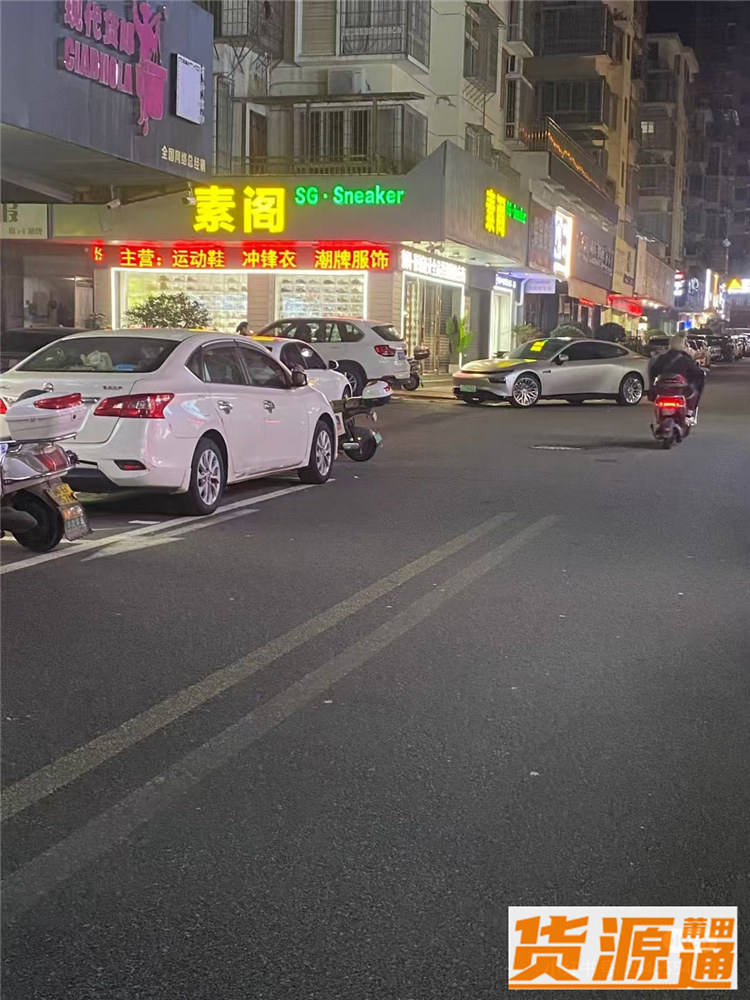

The Story of the Fake Shoes Scandal in Putian
In the recent past, Putian, a city in Fujian province, China, made headlines for a remarkable incident that involved the manufacturing of fake shoes and a subsequent escape by the authorities. This story was not just about an act of infringement, but rather it exposed the complex dynamics surrounding counterfeiting in China’s booming manufacturing sector.
The Incident Unfolds
Initially, reports surfaced about the discovery of a large operation in Putian specializing in the production of fake luxury footwear. This operation was believed to have been operating for several months, producing shoes that closely resembled high-end brands. When the authorities became aware of this activity, they launched an investigation.
However, as the investigation progressed, it seems that the authorities became aware of the complexity and magnitude of the operation. Instead of taking swift action to dismantle the operation and arrest its operators, they faced a challenge when trying to handle the situation. Reports indicate that some members of the operation escaped amidst the commotion caused by the investigation.
The escape created a controversy over how to tackle such situations effectively while maintaining balance between law enforcement and social implications. The incident sparked debate about the role of local authorities in dealing with counterfeiting and intellectual property rights violations.
The Aftermath and Its Impact
The aftermath of this incident highlighted several issues that are paramount in contemporary China. Firstly, it highlighted the intricate balance between law enforcement and societal pressures in manufacturing regions like Putian. Secondly, it brought into focus the widespread issue of counterfeiting and intellectual property rights violations.
The case has resonated far beyond just Putian due to its impact on global trade and consumer protection. As counterfeiting reaches an all-time high, such incidents force governments and businesses to reassess their strategies for protecting genuine products and tackling such violations.
Furthermore, it compelled local authorities to review their policies and procedures to tackle such operations effectively. There have been calls for increased cooperation between law enforcement agencies, local administrations, and other stakeholders to address the problem holistically.
The case is not just about a single incident but rather it has set a benchmark for addressing broader issues surrounding intellectual property rights violations in China’s manufacturing hubs.
As the story unfolds further, it remains to be seen how authorities will tackle this challenge while balancing societal pressures and global trade implications.