
Unauthorized retro sneakers"Standards for Establishing Cases of Selling Fake Putian Shoes"
Unauthorized retro sneakers"Standards for Establishing Cases of Selling Fake Putian Shoes",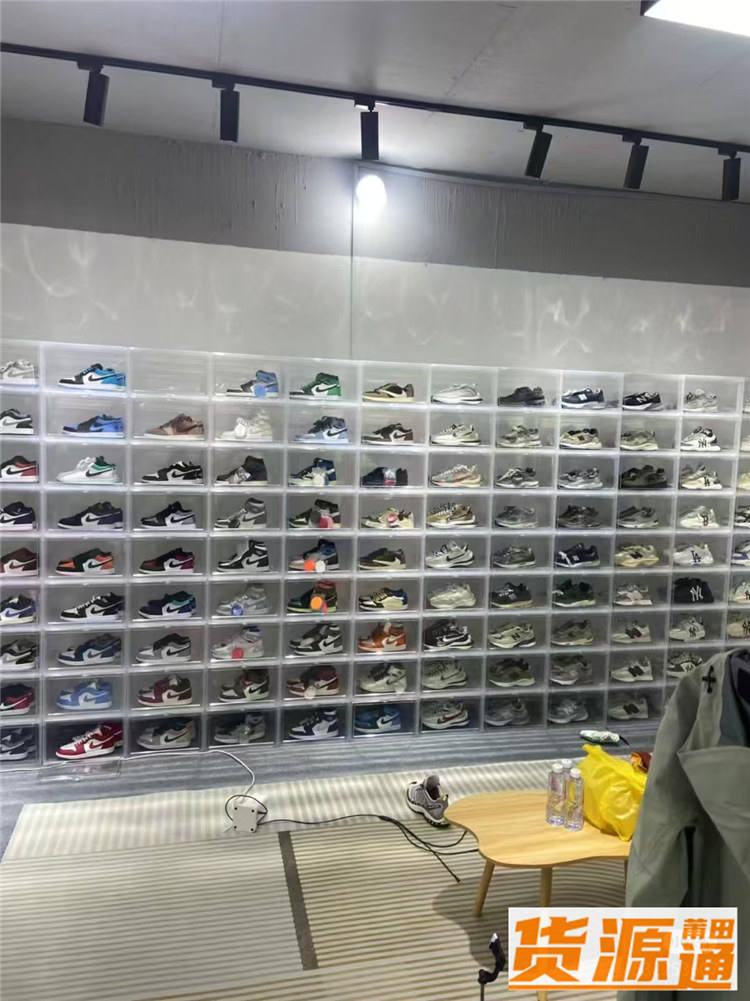

**The Standards for Establishing a Case Against Selling Fake Shoes in Putian**
Introduction
Putian, known for its footwear industry, has become a focal point in the discussion about fake shoes. The sale of counterfeit footwear not only affects the reputation of the region but also poses a challenge to intellectual property rights and consumer protection. Establishing a clear case against such activities requires a thorough understanding of the legal framework and the circumstances surrounding the issue.
Legal Framework and Criteria for Case Establishment
When considering the legal standards for selling fake shoes in Putian, several key factors must be taken into account. Firstly, the scope of intellectual property rights protection, especially trademark and copyright infringement, is paramount. A seller of counterfeit footwear must be proven to have violated these rights by selling products that are identical or substantially similar to genuine brands.
Secondly, the quantity and value of the fake goods become crucial. If the amount of counterfeit footwear sold is significant or if the market value is high, it strengthens the case for prosecution. Furthermore, evidence of the seller's intention to profit from selling such fakes, as well as their awareness of the product being unauthorized, is vital.
The quality of the product is also relevant. If the quality is vastly inferior to the original product, this can be considered fraudulent misrepresentation and may constitute a breach of consumer protection laws. Moreover, the location of the sale and any attempts to target specific markets or vulnerable consumers add further complexity to the case.
To establish a strong case against those selling fake shoes in Putian, law enforcement agencies need to gather evidence that includes purchase records, supplier details, marketing strategies, and consumer complaints. Additionally, cooperation from local manufacturers and brand owners is crucial in providing information about their intellectual property rights and any past legal proceedings related to counterfeit footwear.
Conclusion
In conclusion, tackling the sale of fake shoes in Putian requires a comprehensive approach that considers both legal standards and practical circumstances. Understanding the intricacies of intellectual property rights, consumer protection laws, and market practices is essential for building successful cases against such fraudulent activities. Collaboration between law enforcement agencies, local manufacturers, and brand owners is key in effectively enforcing these legal standards and safeguarding the reputation of Putian's footwear industry.