
Knockoff shoesWhy Nike Doesn't Sue Putian Shoe Manufacturers?
Knockoff shoesWhy Nike Doesn't Sue Putian Shoe Manufacturers?,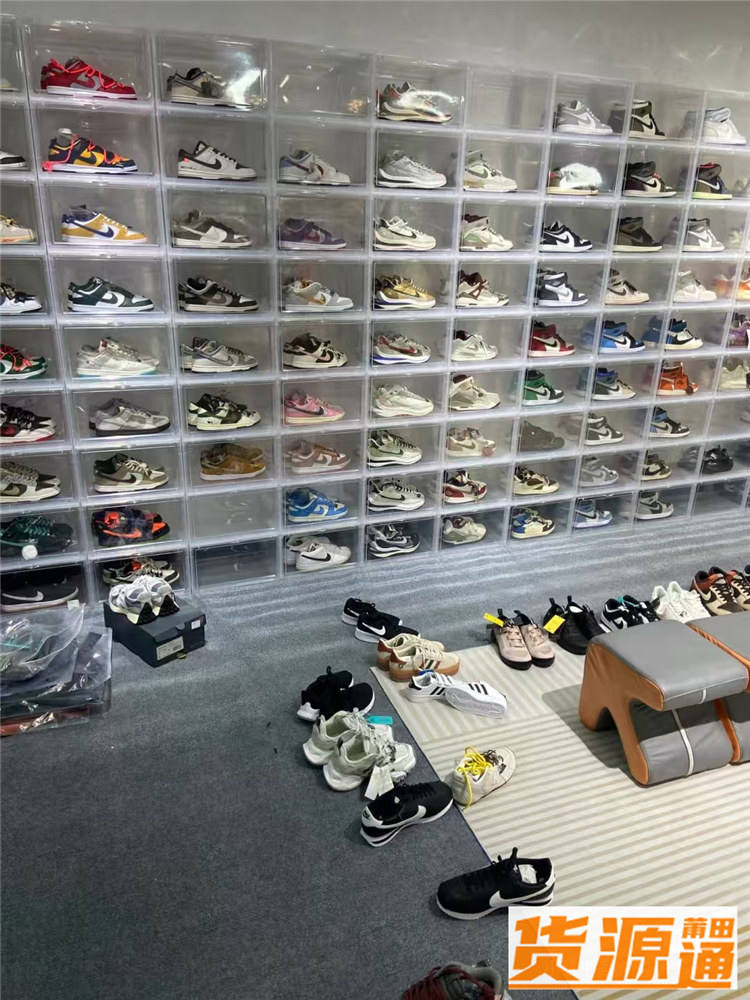

Why Nike Doesn't Sue Over Putian Shoes
Nike, a globally renowned brand, is known for its athletic footwear and clothing. However, the rise of inexpensive knock-off shoes from Putian in China has presented a challenge to the company's intellectual property rights. Despite this widespread practice, Nike has opted not to pursue legal action against the production of these shoes. There are several reasons behind Nike's decision.
Firstly, the legal process in China is often complex and time-consuming. While Nike may have strong legal claims against the unauthorized production of its products, taking a case to court would involve significant financial and logistical investments. Moreover, the cost of litigation might outweigh any potential financial gains for the company, especially when considering the vast number of small-scale manufacturers in Putian.
Secondly, Nike has a focus on its core business – developing innovative and high-quality products. The company's strategy is to target the higher end of the market where it can capitalize on its reputation for performance and design. By not focusing on the production of low-cost alternatives in Putian, Nike is able to prioritize its core competencies and maintain its premium positioning.
Thirdly, many manufacturers in Putian are family-run businesses that produce a limited number of shoe designs for local markets. While these shoes may be considered as knock-offs by Western standards, they cater to a different consumer base with different needs and preferences. By not pursuing legal action, Nike avoids any potential negative publicity that could tarnish its image in these markets.
Furthermore, there is also an argument of consumer choice involved. Consumers in emerging markets often look for affordable alternatives that offer similar functionality and designs. While Nike's position is strong in Western markets, it recognizes that there is a demand for low-cost footwear in other regions. By not enforcing its intellectual property rights in these markets, Nike allows consumers to have access to its products at a lower price point.
Lastly, Nike has a strategy of working closely with local manufacturers to promote sustainable development and create shared value. By focusing on building relationships with legitimate manufacturers and promoting ethical production practices, Nike can ensure that its products are made under better conditions while maintaining control over its intellectual property.
In conclusion, Nike's decision not to sue over Putian shoes reflects a complex balancing of business interests and strategies. The company considers various factors such as legal complexities, core business focus, consumer choice, and ethical considerations before deciding not to enforce its intellectual property rights in certain markets.