
Fake designer sneakers"Toxic Pass: Puzhen Shoes Discussion Bar"
Fake designer sneakers"Toxic Pass: Puzhen Shoes Discussion Bar",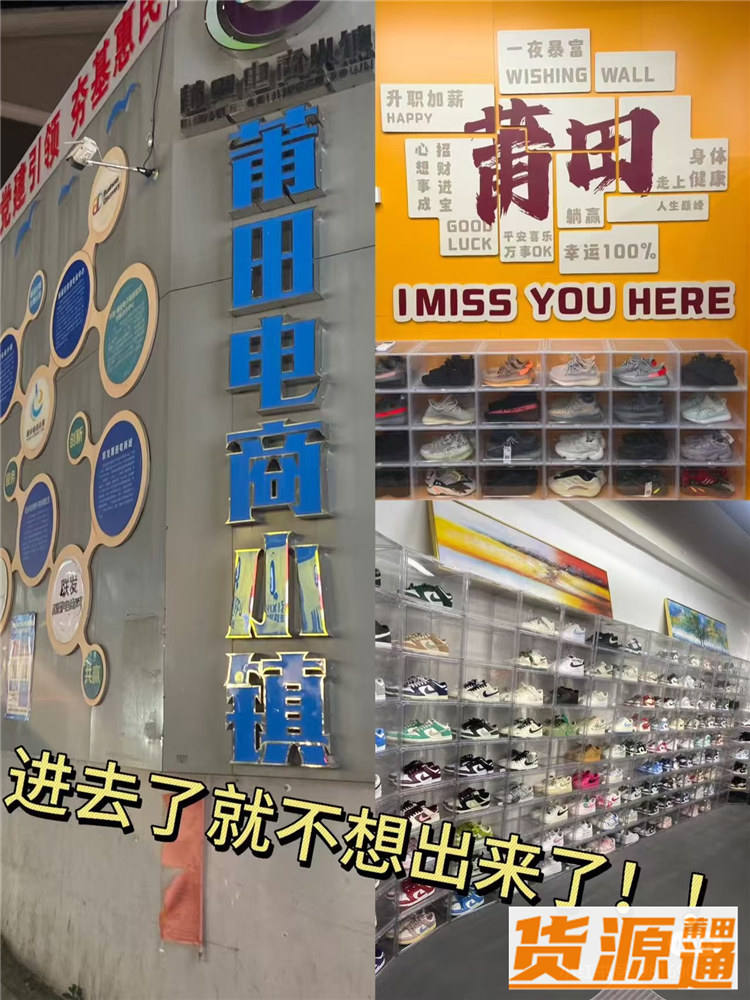

The World of Fake Shoes in Puzhai Village: The Dark Reality Behind "Pass through the Fire"
In the shadowy world of online retail, few phenomena have gained more attention than the "Pass through the Fire" culture surrounding fake shoes in Puzhai Village. This article delves into the complexities of this topic, examining the impact of these toxic trends on consumers and the surrounding industry.
The Rise of Fake Shoes in Puzhai Village
Puzhai Village, located in Fujian Province, China, has long been known for its shoe manufacturing industry. In recent years, however, the production of fake sneakers has become increasingly prevalent in the area. These fakes are often sold under the guise of being genuine, utilizing sophisticated manufacturing techniques and designs that are popular with consumers worldwide.
The phenomenon has become known as "Pass through the Fire," a colloquial expression for enduring rigorous scrutiny and overcoming counterfeiting efforts. These shoes are often advertised on forums and social media platforms like Baidu贴吧, attracting both domestic and international customers.
The Dark Reality of Fake Shoes
While the initial attraction of buying fake sneakers may be their low price, there are numerous hidden risks associated with this practice. Firstly, these shoes often use inferior materials and manufacturing techniques that may not comply with safety standards. This can result in physical harm to users who are unaware of their purchase's true origins.
Moreover, buying fake products fuels a lucrative industry for illegal goods and disrupts legitimate businesses that manufacture genuine footwear. The long-term impact on the local economy and businesses can be devastating.
The Impact on Consumers
Consumers who purchase fake shoes from Puzhai Village face several consequences. They may suffer financial losses if their purchase does not meet expectations or becomes unusable due to poor quality. Additionally, they may also be duped into wearing uncomfortable or even dangerous footwear that can affect their health.
Furthermore, purchasing fakes may affect consumers' trust in online retail platforms. The constant flow of fraudulent advertising can tarnish their perception of online shopping, leading them to be more skeptical and cautious in their future purchases.
Conclusion
The culture surrounding fake shoes in Puzhai Village is a complex issue that requires attention from all stakeholders. Consumers need to be aware of the risks associated with buying fake products and support genuine businesses that offer quality footwear.
Moreover, government agencies and law enforcement should take proactive measures to combat illegal manufacturing and selling of fake goods, protecting consumers and promoting fair competition in the market.