
Unauthorized retroPuma Fake Shoes Scandal in Putian: The Truth Behind It
Unauthorized retroPuma Fake Shoes Scandal in Putian: The Truth Behind It,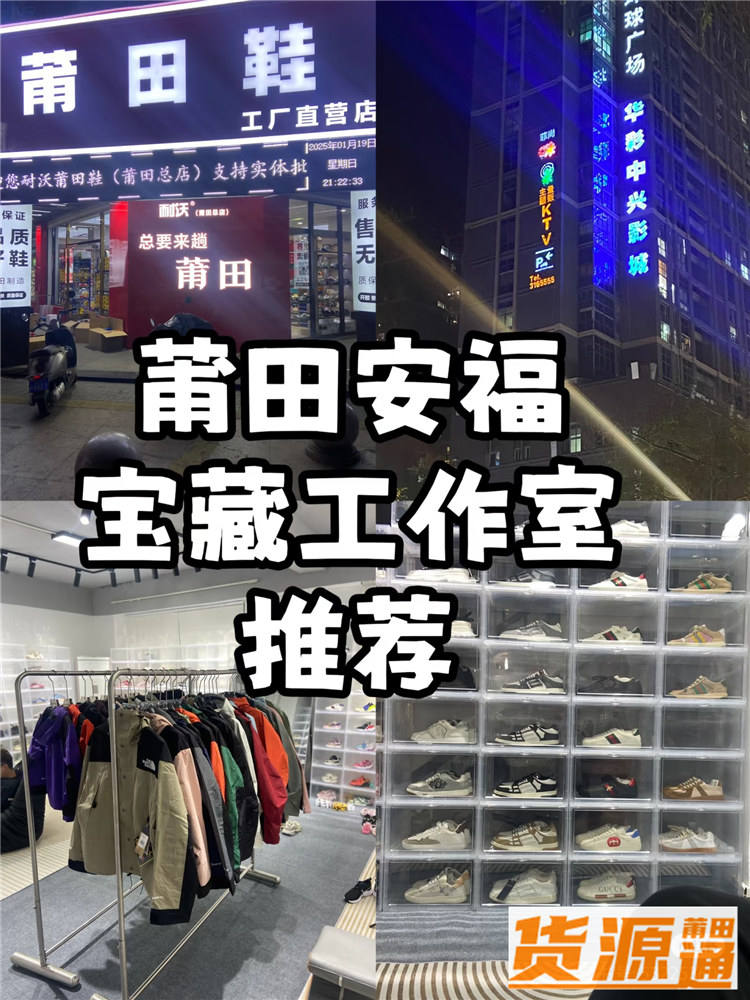

The Truth behind the Fake Shoes Incident in Putian
In recent times, the city of Putian has been at the center of a controversial incident, with reports emerging about the production of fake running shoes. This event has sparked widespread debate and concern, not only within China but also across the international community. The issue is not just about the quality of footwear; it is a reflection on the broader issues of industrial production, consumer rights, and ethical standards.
The Nature of the Fake Shoes Industry in Putian
Putian, located in the Fujian province of China, has gained a certain reputation for being a hub for the production of counterfeit goods, including running shoes. The majority of these shoes are produced by small-scale manufacturers and are often imitations of popular brands. However, the use of low-quality materials and poor craftsmanship often leads to substandard products that can pose a risk to consumers. This issue is exacerbated by the fact that some manufacturers bypass proper quality control measures and certification processes to sell their products at a lower price.
The root of the problem lies in the complex interplay between market economics and consumer behavior. The demand for cheap yet fashionable footwear drives the production of these counterfeit goods. At the same time, the lack of proper regulation and effective law enforcement allows such activities to thrive. The culture of quick profits and a lack of long-term sustainability in some sectors of the economy contribute to this situation.
Impact on Consumers and Industry
The production of fake running shoes in Putian has caused significant harm to consumers and the legitimate footwear industry. Consumers who purchase these substandard products often face health risks due to poor quality materials and lack of proper safety standards. The long-term effects can be detrimental to their health and well-being.
Moreover, the legitimate footwear industry has suffered significant losses due to the influx of counterfeit goods. The reputation of genuine brands is tarnished, leading to decreased sales and revenue. This practice also undermines the hard work and innovation of legitimate manufacturers who strive to produce high-quality products.
Way Forward
To address this issue, a comprehensive approach is necessary. The government should strengthen its regulatory framework to ensure proper quality control and certification measures are implemented. Law enforcement agencies should also take stringent action against those involved in the production and sale of counterfeit goods. At the same time, consumers should be educated about the risks associated with buying low-quality footwear and encouraged to support genuine brands that prioritize quality and sustainability.
Moreover, it is essential for all stakeholders, including manufacturers, government, and consumers, to work together to create a more balanced and sustainable footwear industry that prioritizes quality, innovation, and consumer welfare.