
Reproduction sneakersNike Fake Shoes in Putian Under Investigation in the US
Reproduction sneakersNike Fake Shoes in Putian Under Investigation in the US,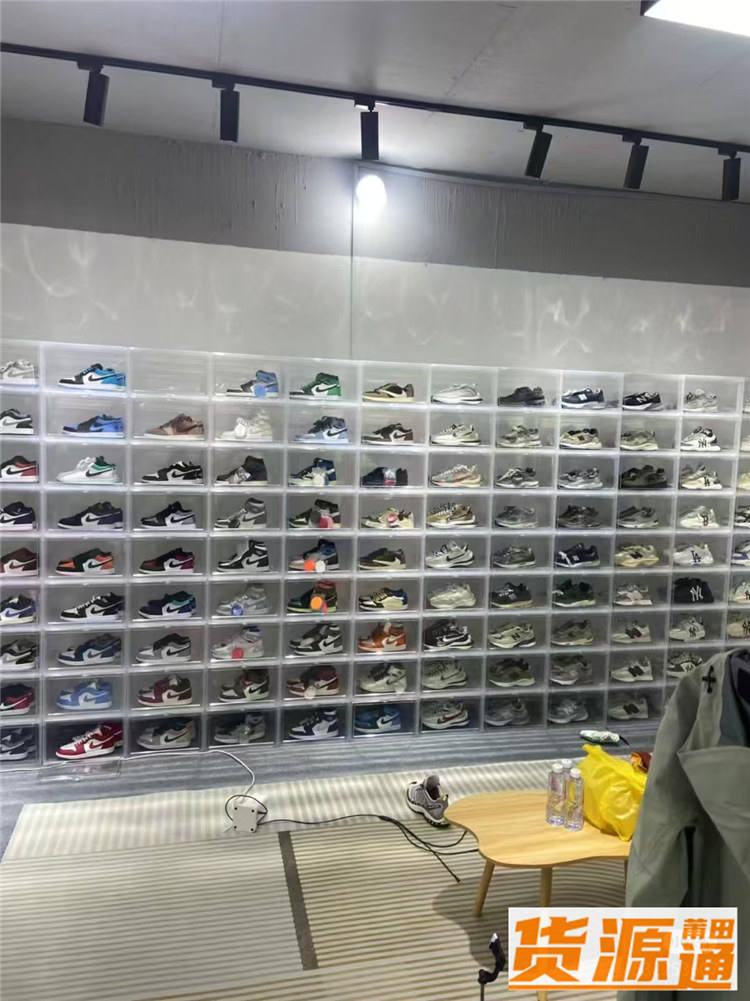

Nike Fakes in China: The Impact on the US Market
The issue of counterfeit goods has become a widespread concern, particularly in the realm of high-end sneakers such as Nike. With China being a prominent hub for counterfeit production, the question often arises as to how this impacts the American market and why it's such a prevalent problem.
One such case recently received significant attention due to its potential impact on the US market - the discovery of Nike fakes in the Fujian province, specifically in the city of Putian. This region has become known for its shoe manufacturing capabilities, both legitimate and illegal. The influx of these counterfeit goods into the US market not only affects Nike's reputation but also poses potential risks to consumers.
The Impact on Nike's Brand Image
Firstly, the rise of these fake Nike sneakers in the US market is an assault on the company's brand image. Nike's success is closely tied to its reputation for quality and authenticity. Consumers pay a premium for products that carry the Nike name, expecting a certain level of quality and performance. When these expectations are not met due to counterfeit products, it not only affects the brand's reputation but also erodes consumer trust.
Moreover, counterfeit goods often use inferior materials and manufacturing techniques that can pose safety risks to consumers. While the majority of counterfeit products may not be harmful, the mere presence of fakes in the market can lead to consumer skepticism and affect the reputation of genuine products. This is especially concerning when such fakes are distributed through channels that are difficult to trace or monitor, making it challenging for consumers to identify genuine products.
The Impact on Consumers and Retailers
For consumers, buying counterfeit goods may seem like a cost-saving measure initially, but in the long run, it often results in dissatisfaction and potential harm due to poor quality and lack of proper safety standards. Retailers who sell these fakes also face significant risks, including legal action from Nike and consumer backlash for selling substandard products. In addition, it can affect their reputation as a reliable retailer and damage their customer base.
For Nike itself, while it faces a challenge in countering counterfeit goods, it also has an opportunity to strengthen its legal measures and increase consumer awareness about genuine products. By working closely with law enforcement agencies and strengthening its supply chain management, Nike can reduce the impact of fakes on its brand image and protect its market share from further erosion.
Conclusion
In conclusion, the issue of counterfeit Nike sneakers from China's Putian region poses a significant challenge to both Nike and its consumers in the US market. It is imperative to address this issue through increased awareness, stronger legal measures, and improved supply chain management to protect consumers and maintain brand integrity.