
Fake designer sneakersPutian Shoes Fined: The Case Overview
Fake designer sneakersPutian Shoes Fined: The Case Overview,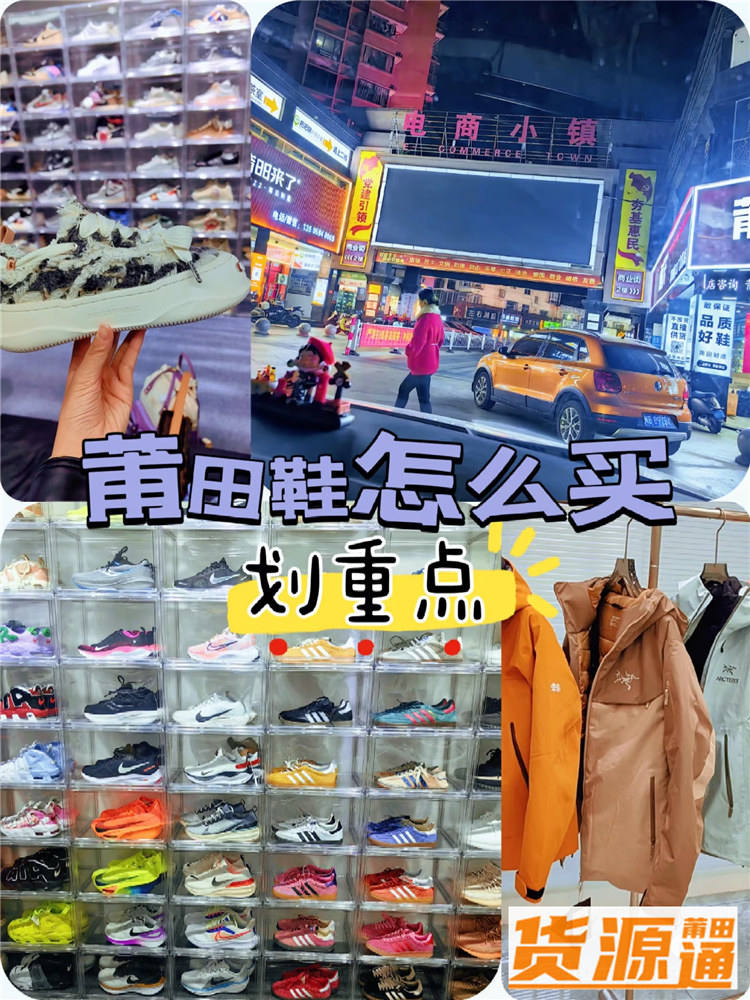

The Case of Punishment on Putian Shoes: An Examination of the Issues
In recent news, the city of Putian has faced significant controversy due to the penalties imposed on the production of shoes. This issue has sparked widespread debate and scrutiny, calling for a thorough examination of the circumstances surrounding the situation.
Background of the Case
Putian, located in the Fujian province of China, has long been renowned for its shoe manufacturing industry. However, recently, numerous reports have emerged about the production of low-quality shoes that do not meet safety standards. Consequently, authorities have imposed stringent regulations and penalties on such activities to ensure consumer safety and promote fair competition in the market.
The penalties include fines and even closure of factories producing substandard footwear. This action has not only affected the manufacturers but also the local economy, with reports of rising unemployment rates due to shuttered factories. Hence, the matter has sparked intense discussions on whether the government's measures are reasonable and proportionate to address the concerns at stake.
Views on the Punishment
Some argue that the punishment is necessary to protect consumers from buying unsafe products that could potentially harm them. They believe that by imposing stringent regulations, authorities are safeguarding public health and ensuring that all manufacturers adhere to quality standards. However, others raise concerns about excessive fines and overregulation, which they believe could damage the local economy and affect the livelihoods of many workers in the shoe manufacturing industry.
Moreover, some critics point out that instead of merely penalizing manufacturers, authorities should provide support and guidance to encourage producers to upgrade their processes and improve quality control measures. This approach could balance the need for quality assurance with supporting local businesses and maintaining economic growth. It could also encourage a more holistic approach to problem-solving that involves collaboration between stakeholders, such as manufacturers, government agencies, and consumers.
Conclusion
The punishment on Putian shoes reflects a complex issue that involves balancing consumer protection, fair competition in the market, and maintaining sustainable economic growth. The government's measures need to strike a balance between ensuring quality standards and supporting local businesses that provide livelihoods for many workers. It is crucial to find a way forward that promotes both quality assurance and sustainable development in the region's shoe manufacturing industry.