
Fake designer sneakers
Fake designer sneakers,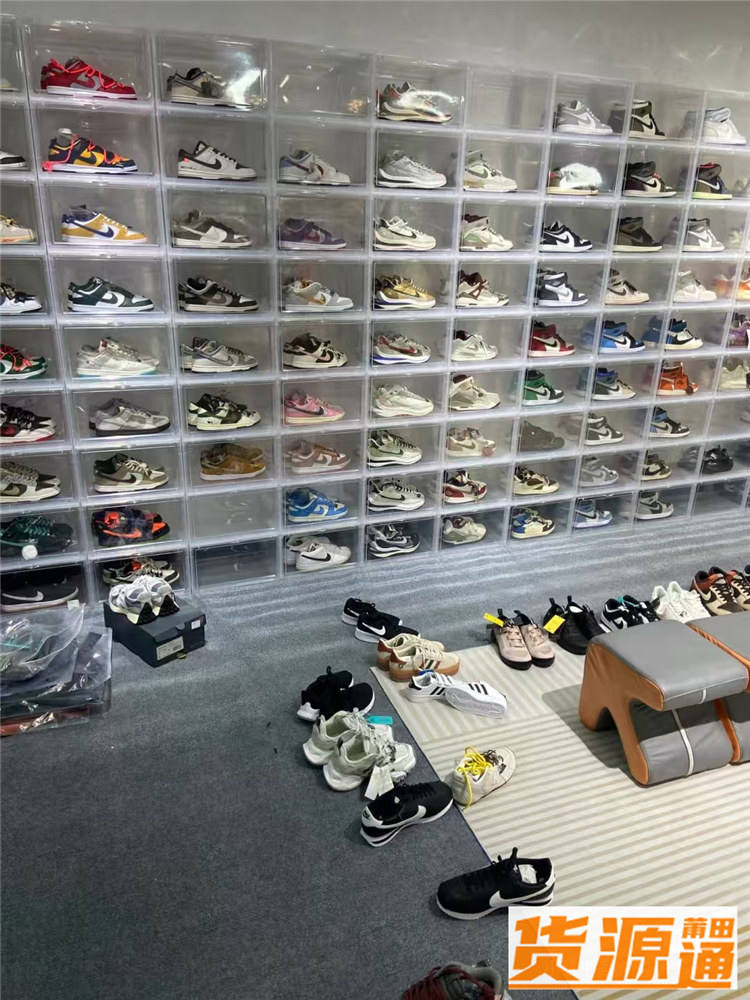

**Pujiang Shoes versus Hebei Shoes: A Comparative Analysis**
Introduction
China is renowned for its diverse craftsmanship, including the production of footwear. Among the many regional variations, those from Fujian's Pujiang, particularly their shoe heels, and Hebei's footwear stand out for their unique designs and qualities. This article aims to explore the differences and similarities between Pujiang shoes and Hebei shoes.
Pujiang Shoes: A Legacy of Quality
Pujiang, located in the heart of Fujian province, is famous for its shoe manufacturing industry. The region has a long history of crafting high-quality footwear, with a special focus on shoe heels. Pujiang shoe heels are renowned for their intricate designs, often incorporating traditional elements like embroidery and carvings. These elements not only enhance the aesthetic appeal but also contribute to the structural integrity of the shoes.
The craftsmanship involved in making Pujiang shoes is an intricate process that involves skilled labor. Each step, from selecting the materials to the final assembly, is done with precision. This attention to detail ensures that the shoes are not only comfortable but also durable.
Hebei Shoes: A Blend of Tradition and Modernity
Hebei province, situated in the central part of China, is also known for its footwear industry. Unlike Pujiang, Hebei shoes are renowned for their fusion of traditional craftsmanship with modern designs. This blend results in footwear that is both stylish and practical.
Hebei shoes often incorporate traditional Chinese elements like lattice work and knots, giving them a unique cultural identity. At the same time, they also incorporate modern materials and technology to ensure comfort and durability. This approach makes Hebei shoes popular not only in the domestic market but also internationally.
Comparative Analysis
When comparing Pujiang shoes and Hebei shoes, there are several notable differences and similarities. Both regions produce high-quality footwear that incorporates traditional craftsmanship. However, Pujiang shoes are more known for their intricate designs and focus on shoe heels, while Hebei shoes are renowned for their blend of traditional and modern elements.
Additionally, the two regions differ in their production methods and materials used. Pujiang shoes often use traditional techniques and materials, while Hebei shoes incorporate modern technology and materials to ensure comfort and durability. This difference in production methods and materials results in distinct aesthetic and performance characteristics of the two types of shoes.
Conclusion
Both Pujiang and Hebei offer unique perspectives on Chinese footwear culture. While Pujiang shoes focus on intricate designs and traditional craftsmanship, Hebei shoes blend traditional elements with modern designs and technology. This diversity not only reflects the rich cultural heritage of China but also ensures that consumers have a wide range of choices.